
Come vengono realizzate le scatole di legno personalizzate: una guida completa alla produzione
Autore del post:
admin
Categorie:
Data di pubblicazione:
29 luglio 2026
Condividi questo contenuto:
Come vengono realizzate le scatole di legno personalizzate: una guida completa alla produzione
HCome vengono realizzate le scatole di legno su misura È una domanda ricorrente per le aziende alla ricerca di soluzioni di imballaggio di alta qualità. Comprendere il processo di produzione aiuta i marchi a scegliere il fornitore giusto e a garantire una qualità costante del prodotto. Dalla selezione del legno di alta qualità e dal taglio di precisione alla lavorazione CNC, alla verniciatura, alla personalizzazione del logo e al controllo qualità finale, ogni fase influisce sull’aspetto, sulla durata e sul valore del prodotto finito. Presso Xinrunxing, siamo specializzati nella produzione di scatole in legno su misura per gioielli, vino, sigari, orologi, cosmetici, articoli da regalo e altri prodotti di lusso, fornendo soluzioni OEM e ODM a clienti in tutto il mondo.
Indice
- Cosa sono le scatole di legno personalizzate?
- Fase 1: Selezione del legno di prima scelta
- Fase 2: Essiccazione e preparazione del legno
- Fase 3: Taglio di precisione
- Fase 4: Lavorazione CNC
- Fase 5: Assemblaggio della scatola
- Fase 6: Levigatura e preparazione della superficie
- Fase 7: Verniciatura e rifinitura
- Passaggio 8: Personalizzazione del logo
- Fase 9: Installazione interna
- Fase 10: Controllo qualità e imballaggio
- Perché scegliere Xinrunxing?
- Domande frequenti
- Conclusione
Come vengono realizzate le scatole di legno personalizzate: alla scoperta del processo di produzione
Prima di iniziare Come vengono realizzate le scatole di legno personalizzate, è importante capire cosa le distingue dagli imballaggi standard. Le scatole in legno personalizzate vengono realizzate in base alle specifiche esigenze del cliente, tra cui dimensioni, tipi di legno, colori, accessori metallici, inserti interni e branding. Sono ampiamente utilizzate dai marchi di lusso perché offrono un’eccellente protezione, valorizzando al contempo la presentazione del prodotto.
Fase 1: Selezione del legno di prima scelta
Il primo passo per Come vengono realizzate le scatole di legno personalizzate è la scelta dei materiali adeguati.
Tra le opzioni più comuni per il legno figurano:
- MDF con impiallacciatura in legno naturale
- Noce
- Quercia
- Faggio
- Ash
- Pino
- Ciliegia
- Bambù
- Scopri di più su Legno certificato FSC® per un approvvigionamento responsabile e sostenibile del legno.
Ogni materiale presenta caratteristiche diverse in termini di consistenza, resistenza e costo. Per gli imballaggi di lusso si ricorre spesso al legno di noce o di quercia, grazie alle loro venature eleganti e all’aspetto pregiato.
Fase 2: Essiccazione e preparazione del legno
Il legno deve essere adeguatamente essiccato prima dell'inizio della lavorazione.
Questo processo contribuisce a prevenire:
- Crepe
- Ordinamento
- Restringimento
- Espansione
Un adeguato controllo dell'umidità garantisce che la cassa di legno mantenga la propria stabilità durante il trasporto e l'uso a lungo termine.
Fase 3: Taglio di precisione
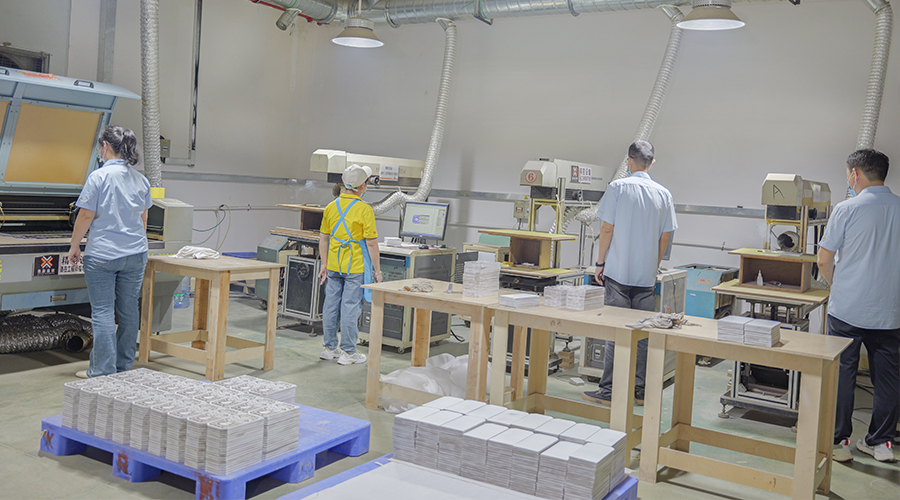
Una volta preparato il legno, le macchine da taglio computerizzate tagliano con precisione ogni pannello secondo i disegni tecnici.
I vantaggi includono:
- Dimensioni precise
- Bordi lisci
- Riduzione degli sprechi di materiale
- Qualità di produzione costante
Il taglio di precisione è una delle fasi più importanti nella Come vengono realizzate le scatole di legno personalizzate.
Fase 4: Lavorazione CNC
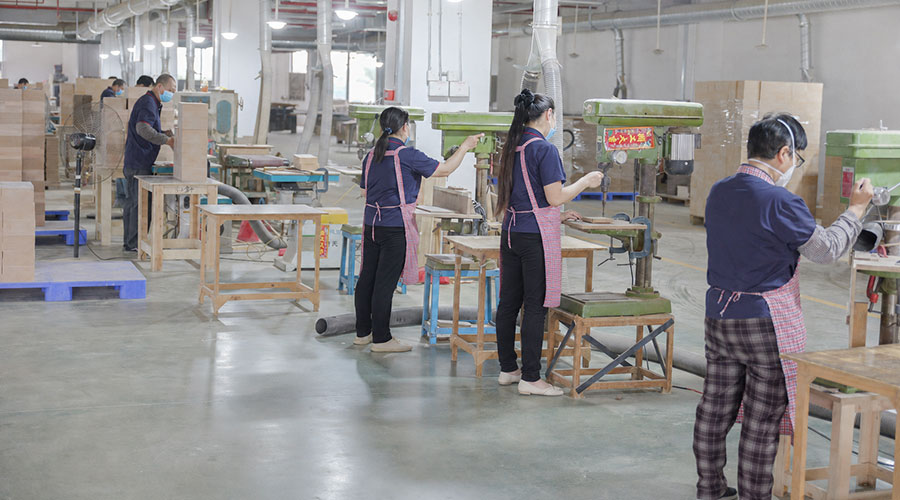
I produttori moderni utilizzano macchine a controllo numerico (CNC) per realizzare componenti di precisione con un livello di accuratezza eccezionale.
Tra le operazioni tipiche eseguite con il CNC figurano:
- Intaglio di scanalature
- Fori di montaggio delle cerniere
- Fori magnetici
- Posizioni di bloccaggio
- Motivi decorativi
La lavorazione CNC garantisce una qualità costante durante tutta la produzione in serie.
Fase 5: Assemblaggio della scatola
Ogni scatola di legno viene assemblata da artigiani esperti che utilizzano tecniche professionali di lavorazione del legno.
Durante il montaggio, si presta attenzione a:
- Allineamento perfetto degli angoli
- Elevata adesione strutturale
- Funzionamento fluido del coperchio
- Lunga durata
Ogni scatola assemblata viene ispezionata con cura prima di passare alla fase di finitura.
Fase 6: Levigatura e preparazione della superficie
Prima di verniciare è fondamentale che la superficie sia liscia.
Ogni scatola viene sottoposta a diverse operazioni di levigatura per rimuovere:
- Imperfezioni superficiali
- Aspetti da perfezionare
- Fibre di legno
- Difetti minori
In questo modo si garantisce che la finitura finale risulti pulita e professionale.
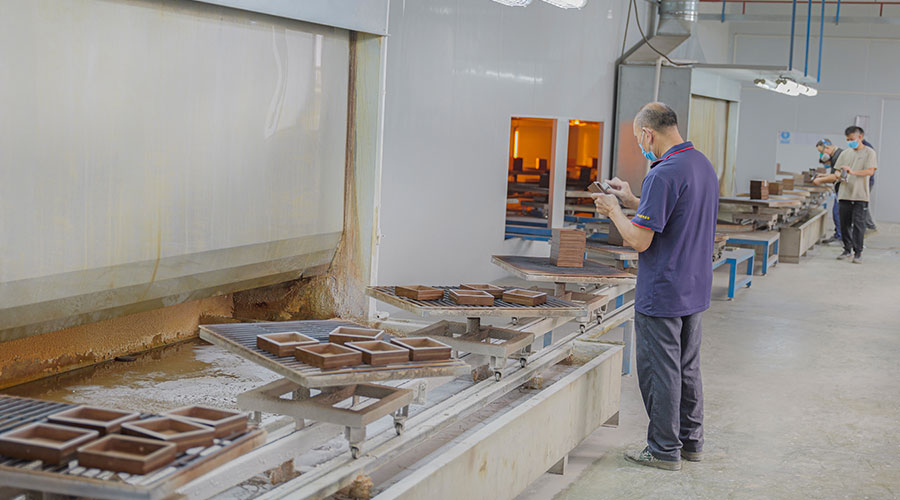
Fase 7: Verniciatura e rifinitura
Una delle fasi più evidenti di Come vengono realizzate le scatole di legno personalizzate è il processo di finitura superficiale.
Tra le finiture più diffuse figurano:
- Finitura opaca
- Finitura lucida
- Laccatura per pianoforte
- Rivestimento in PU
- Colorante per legno
- Finitura con olio naturale
- Finitura a pori aperti
I marchi di lusso scelgono spesso la vernice a effetto pianoforte per il suo aspetto specchiato.
Passaggio 8: Personalizzazione del logo
Il branding trasforma il packaging in uno strumento di marketing.
Xinrunxing offre diverse opzioni per il logo:
- Incisione laser
- Stampa a caldo con lamina d'oro
- Stampa a caldo con lamina d'argento
- Stampa UV
- Serigrafia
- Targhette metalliche
- Goffratura
I loghi personalizzati creano un'esperienza di marca esclusiva e indimenticabile.
Fase 9: Installazione interna
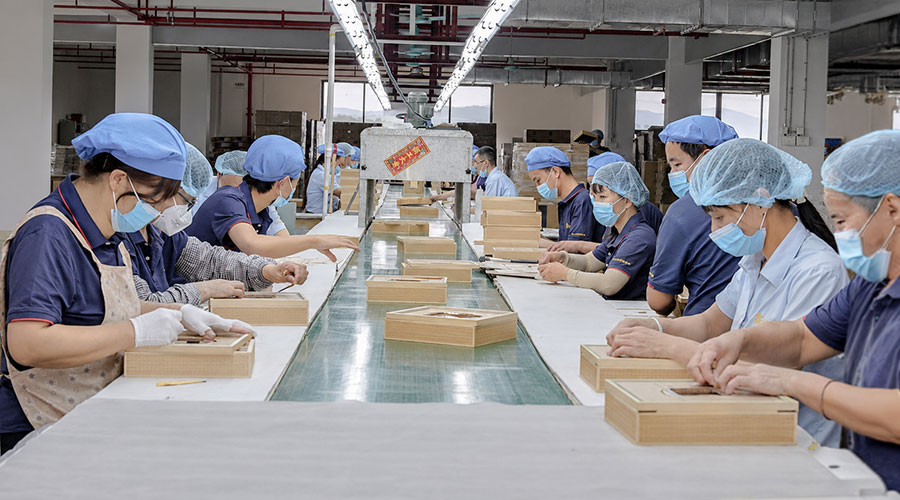
A seconda del prodotto, vengono aggiunti elementi interni di protezione.
Tra i materiali più comuni figurano:
- Velluto
- schiuma EVA
- Pelle PU
- Raso
- Microfibra
- Inserti in carta
Gli interni giusti migliorano sia la protezione del prodotto che l'esperienza del cliente.
Fase 10: Controllo qualità e imballaggio
L'ultimo passo in Come vengono realizzate le scatole di legno personalizzate è il controllo qualità.
Per ogni confezione viene verificato quanto segue:
- Dimensioni
- Qualità della superficie
- Consistenza della vernice
- Funzionalità hardware
- Accuratezza del logo
- Allestimento interno
- Sicurezza degli imballaggi
Solo i prodotti che soddisfano rigorosi standard di qualità vengono autorizzati alla spedizione.
Perché scegliere Xinrunxing?
In qualità di produttore professionale di scatole in legno su misura, Xinrunxing fornisce soluzioni complete di packaging OEM e ODM per marchi internazionali.
I nostri punti di forza includono:
- Produzione diretta dalla fabbrica
- Team di ingegneri esperti
- Macchinari CNC all'avanguardia
- Rigoroso controllo di qualità
- Finitura superficiale di alta qualità
- Personalizzazione flessibile
- Sviluppo rapido dei campioni
- Esperienza nell'esportazione a livello mondiale
- Come vengono realizzate le scatole di legno personalizzate
Che abbiate bisogno di portagioie, scatole per vino, scatole per sigari, scatole per orologi, confezioni regalo o imballaggi per cosmetici, Xinrunxing offre soluzioni di imballaggio in legno affidabili e di alta qualità.

Domande frequenti
Quanto tempo occorre per realizzare scatole in legno su misura?
La realizzazione dei campioni richiede solitamente dai 7 ai 15 giorni, mentre la produzione in serie richiede in genere dai 25 ai 40 giorni, a seconda della quantità e della complessità del progetto.
Qual è il legno più adatto per le scatole in legno su misura?
Noce, rovere, faggio, frassino, ciliegio e MDF con impiallacciatura in legno sono tra i materiali più diffusi. La scelta ideale dipende dal vostro budget e dal posizionamento del prodotto.
È possibile personalizzare ogni parte di una scatola di legno?
Sì. Le dimensioni, il tipo di legno, il colore, la finitura, il logo, la ferramenta, le cerniere, le serrature e gli inserti interni possono essere tutti personalizzati.
Quali settori utilizzano scatole di legno su misura?
Le scatole in legno personalizzate vengono comunemente utilizzate per:
Come vengono realizzate le scatole di legno su misura?
Realizziamo scatole in legno su misura attraverso la selezione del legno, la lavorazione CNC, l’assemblaggio, la finitura, la personalizzazione del logo e il controllo qualità
- Gioielli
- Orologi
- Vino
- Whisky
- Sigari
- Cosmetici
- Profumo
- Regali di lusso
- Regali aziendali
- Oggetti da collezione
Conclusione
Comprensione Come vengono realizzate le scatole di legno personalizzate aiuta le aziende a scegliere il produttore giusto e a realizzare soluzioni di imballaggio di alta qualità. Ogni fase della produzione — dalla selezione del legno e dalla lavorazione di precisione alla finitura, alla personalizzazione con il marchio e al controllo qualità — svolge un ruolo fondamentale nella realizzazione di imballaggi in legno resistenti ed eleganti. Grazie ad attrezzature all’avanguardia, a una maestria artigianale consolidata e a servizi OEM completi, Xinrunxing si impegna a fornire scatole in legno personalizzate che aiutino i marchi a distinguersi nell'odierno mercato competitivo.